
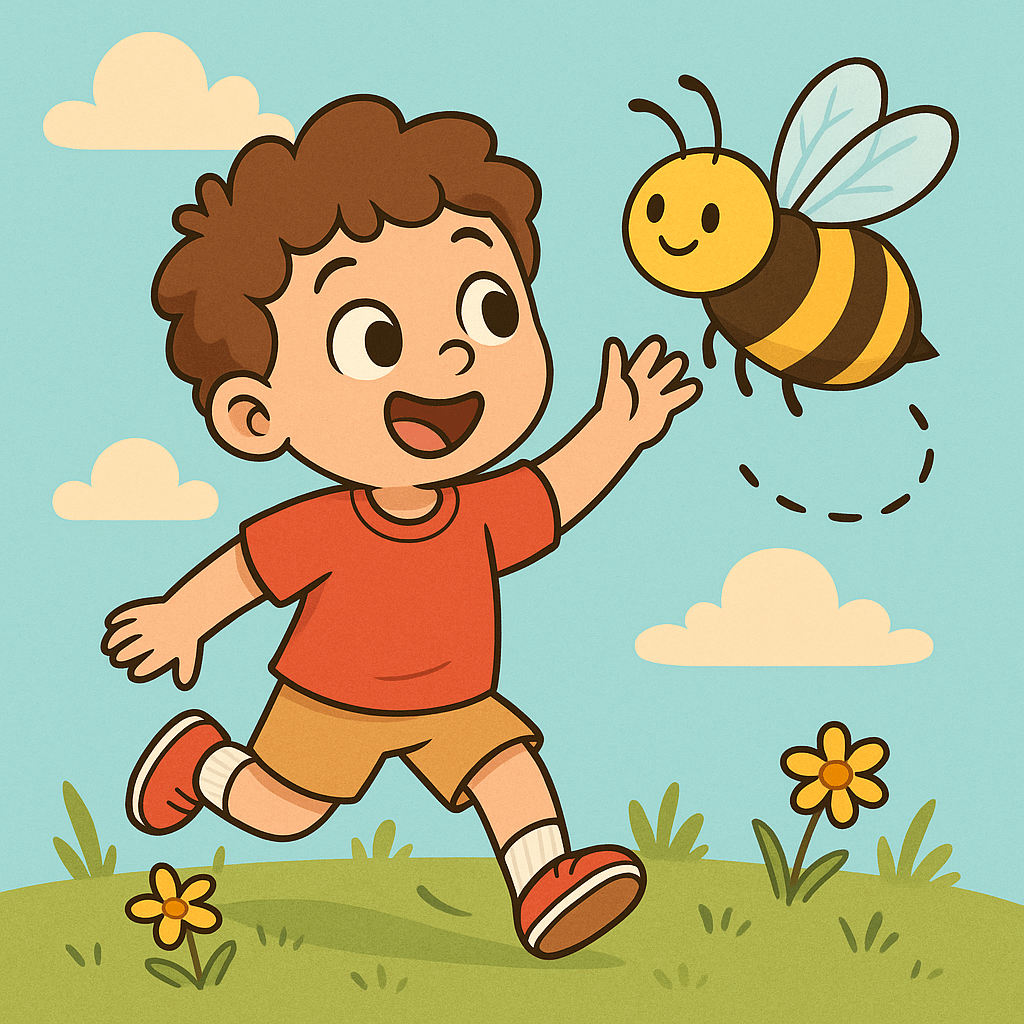
A bee sting can be scary, especially for a young child who’s never been stung before. As a parent, your words and tone can make a big difference in how your child processes the pain and fear that come with it. The goal isn’t just to explain why it hurts, but to help them feel safe, calm, and less afraid of bees in the future.
Here’s how you can talk to your child about bee stings in a way that’s honest, comforting, and easy to understand.
Start with Reassurance
“You’re going to be okay.”
Before getting into the science, start with comfort. Let them know that what they’re feeling is normal and that it won’t last forever. You might say:
“I know that hurt and it’s okay to be upset. Bee stings hurt for a little bit, but your body will start healing right away.”
Keep your voice calm and relaxed. Children often take their emotional cues from you.
How to Explain Why It Hurts
When your child is ready to listen (maybe while applying a cold compress), you can explain in simple terms:
“Bees have a tiny stinger, kind of like a little splinter. When they sting, they leave a tiny drop of something called venom in your skin. That’s what makes it hurt, but it’s not dangerous for most people. Your body is already working to heal it — that’s why it feels a little swollen or itchy.”
This explanation gives them a sense of control and understanding, which helps reduce fear.
Why Bees Sting — and Why They Don’t Want To
Help your child understand that bees don’t sting to be mean:
“Bees only sting when they feel scared or trapped. That’s how they protect themselves. They don’t want to hurt us — in fact, they usually fly away and mind their own business.”
You can also add:
“A bee sting is kind of like when someone says ‘stop’ if they’re being pushed — it’s their way of saying, ‘I’m scared.’”
Explain that bees actually die after they sting, which is another reason they only do it when they feel they have no other choice.
What to Say About Healing
Let your child know what to expect:
“It’s going to hurt a little today, and maybe feel itchy or red for a day or two. But we’re cleaning it and putting something cool on it, and that will help. Your body knows exactly what to do to fix it.”
For most stings, that’s all the child needs to know. Of course, monitor for any signs of allergy (like trouble breathing or swelling in the face), and let them know to tell you right away if anything feels worse.
Helping Them Avoid Fear of Bees
You don’t want a one-time sting to create a lifelong fear. Reframe bees in a more positive light:
“Bees are actually really helpful. They fly from flower to flower and help plants grow. Without bees, we wouldn’t have apples, strawberries, or even flowers in the garden!”
Then offer a few practical safety tips in a way that empowers your child, rather than scares them:
“If you see a bee, just give it some space and let it do its job. Don’t wave your arms or try to swat it — it’ll usually just fly away.”
Reinforce the idea that staying calm and still is the best way to avoid getting stung.
A Sample Script You Can Use
If you’re not sure what to say in the moment, here’s a quick, gentle way to explain it:
“That was a bee sting — ouch! It hurts because the bee left a little bit of venom to protect itself, but your body will heal it soon. Bees only sting when they’re scared, not because they’re mean. They’re actually really important for flowers and food. If we stay calm and give them space, they usually leave us alone.”
Final Thought for Parents
A bee sting might be a small event, but it’s also an opportunity. It’s a chance to teach resilience, empathy (even toward insects!), and a little science. Keep your explanations simple, stay calm, and focus on helping your child feel safe — and they’ll bounce back faster than you think.
 Simply Explained
Leave a comment