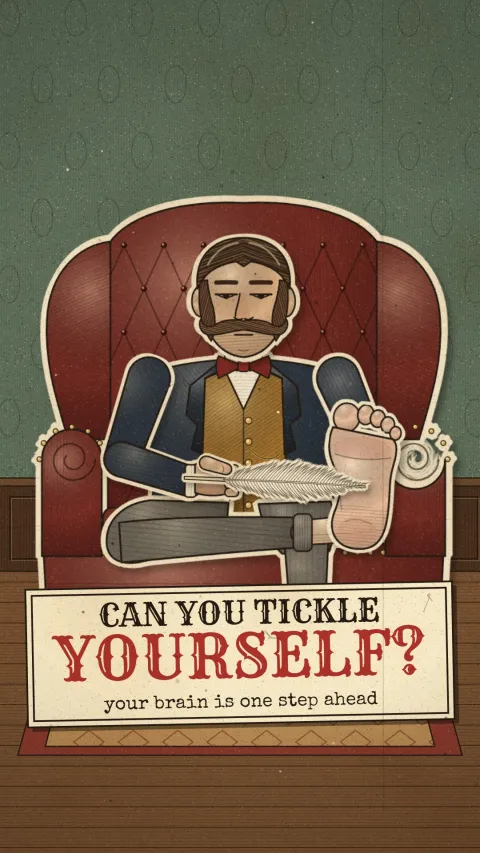
You can barely tickle yourself, no matter how hard you try. Your brain is one step ahead of you.
What does your brain do?
When you move, your brain predicts what you will feel, and when. Then it turns that feeling down. So your own tickle feels much weaker.
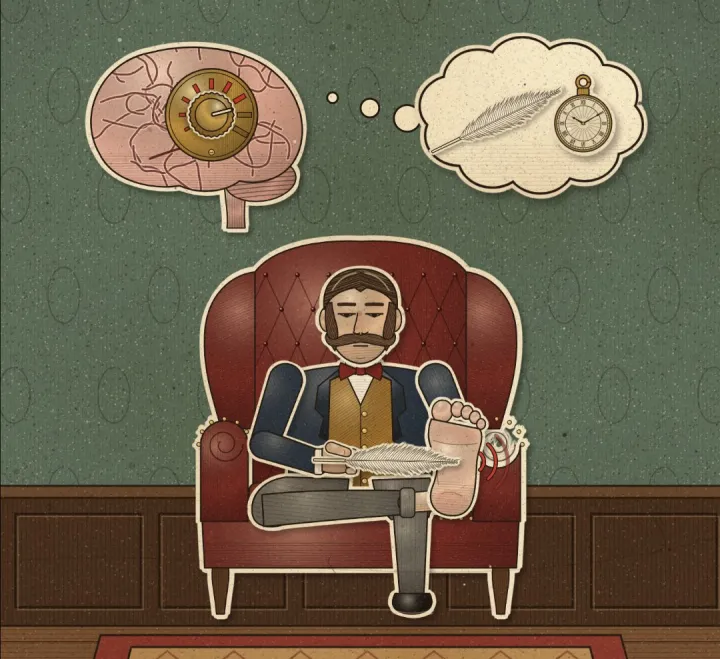
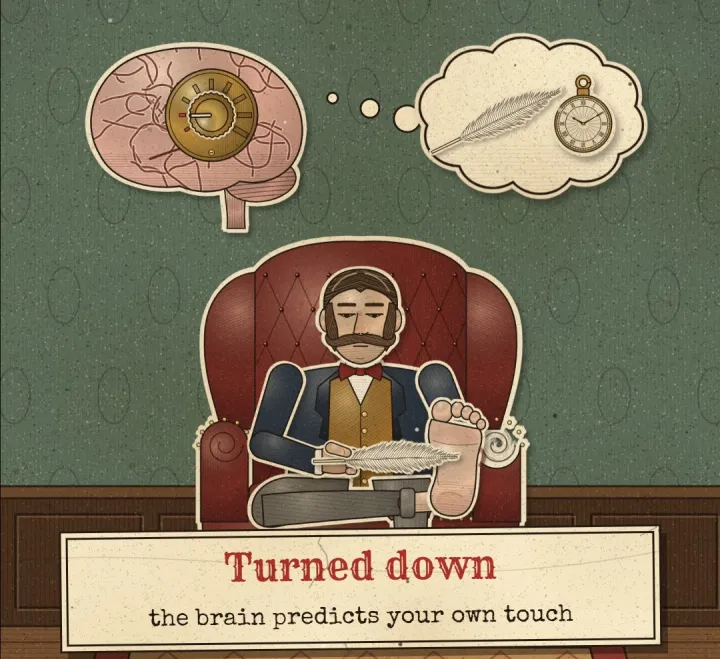
Why can others tickle you?
When someone else tickles you, your brain cannot make that prediction. Nothing turns the tickle down, so it feels much stronger.
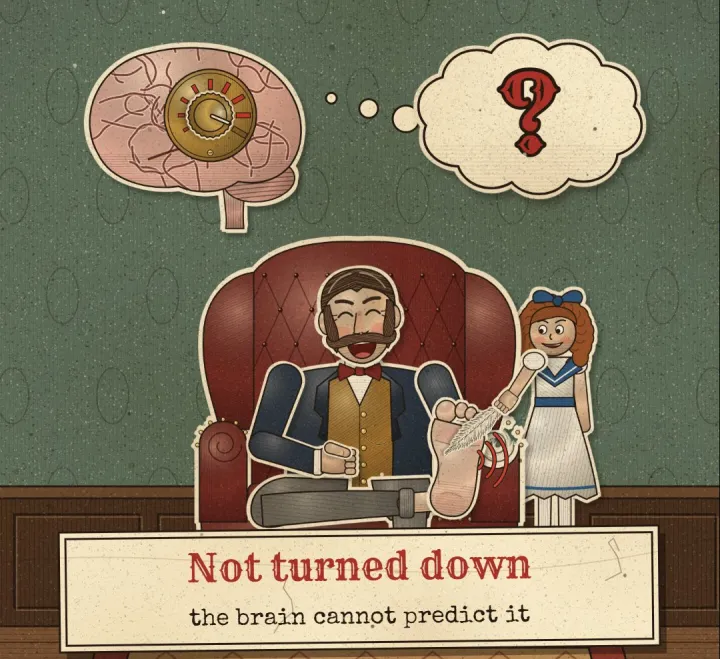
Why would your brain do that?
Scientists think turning down your own touch helps you notice touches from outside. That way, you notice a bug crawling up your arm.
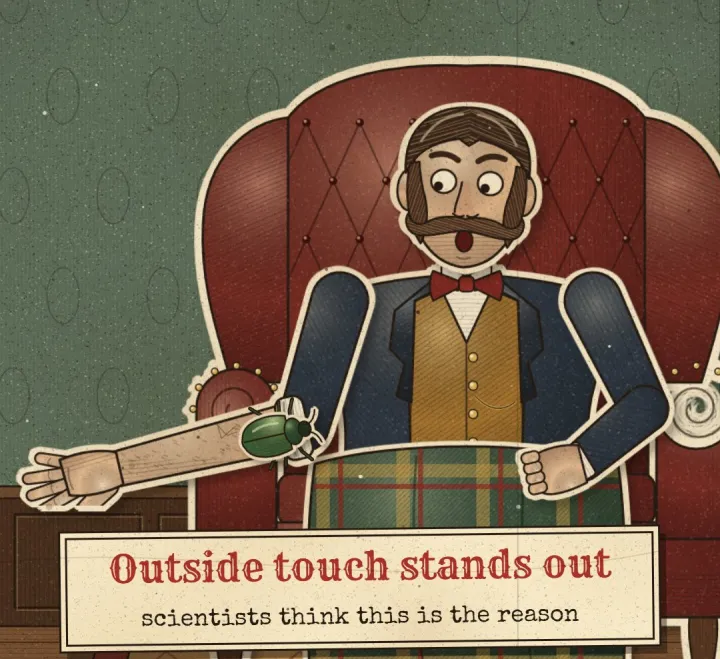
One more thing
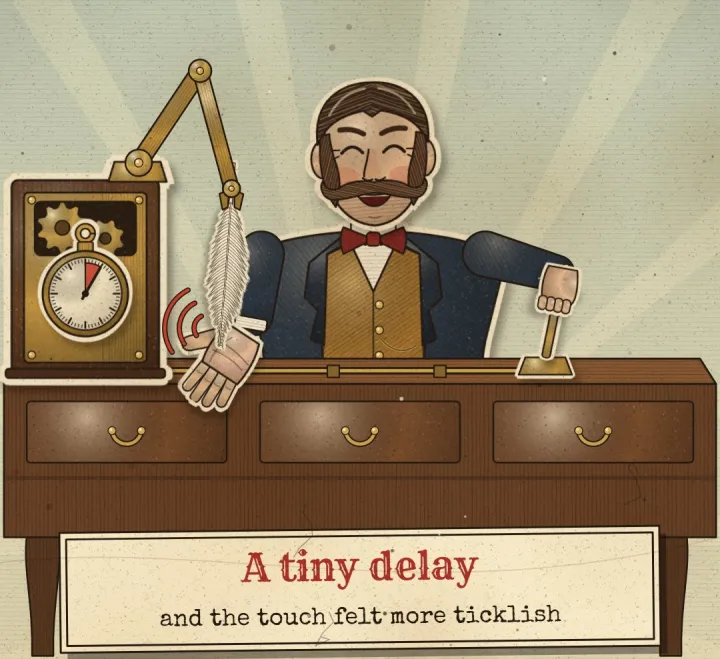
In one experiment, people tickled their own palm using a robot arm. When the robot added a tiny delay, the touch felt more ticklish.
Sources
- Journal of Cognitive Neuroscience, 1999: Spatio-temporal prediction modulates the perception of self-produced stimuli
- NeuroReport, 2000: Why can't you tickle yourself?
- Nature Neuroscience, 1998: Central cancellation of self-produced tickle sensation
- Scientific American: Why can't a person tickle himself?
- BrainFacts.org: Unraveling the Mysteries of Tickling
- Horizon, the EU Research and Innovation Magazine: The science of tickling: why the brain won't let us tickle ourselves
- BrainFacts.org: BrainFacts.org (Society for Neuroscience)
- Psychological Medicine 2000: Psychological Medicine 2000 (Europe PMC)