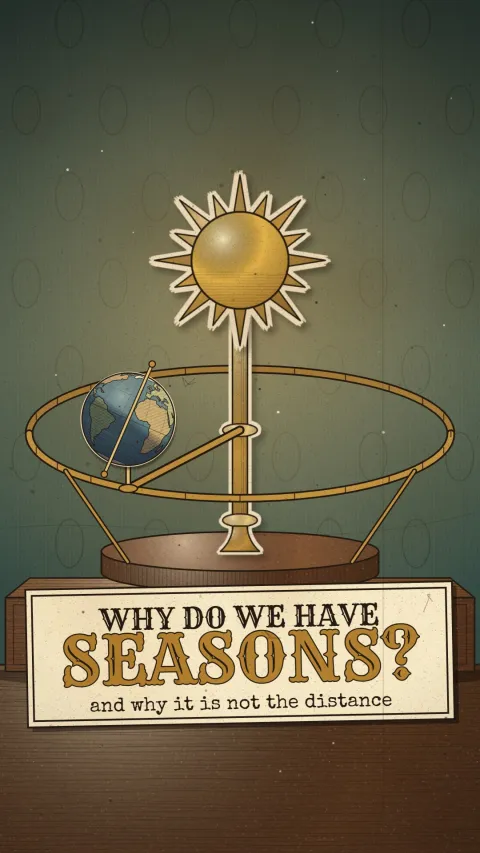
Summer does not happen because Earth gets closer to the Sun. Our planet never stands up straight.
How does Earth lean?
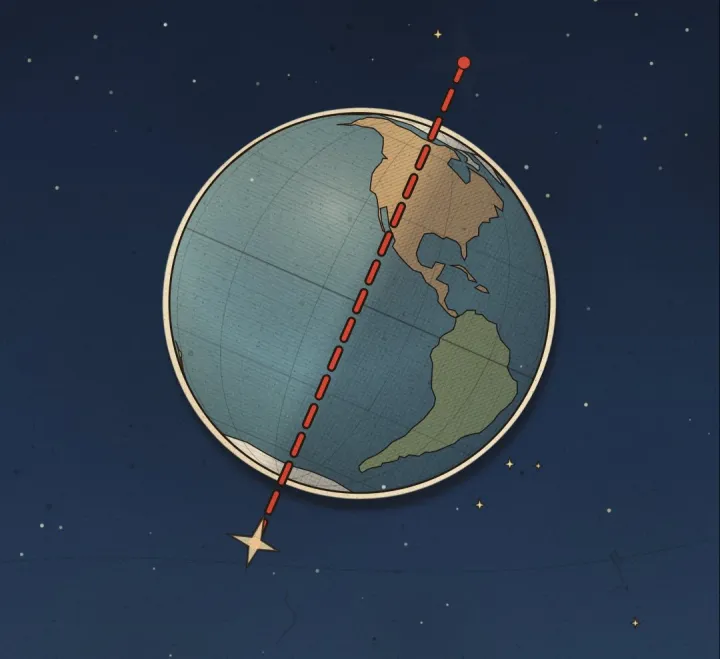
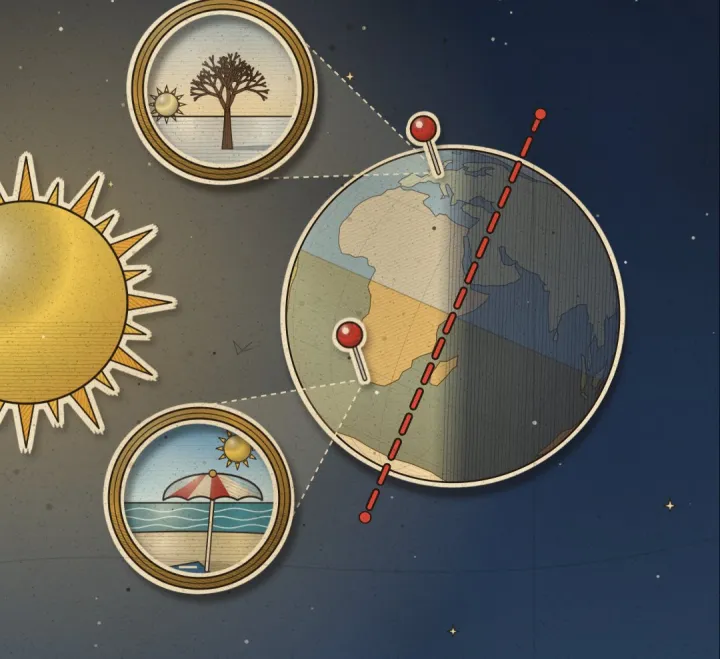
Earth spins around an invisible line through the North and South Poles. That line is tilted, and it leans the same way all year.
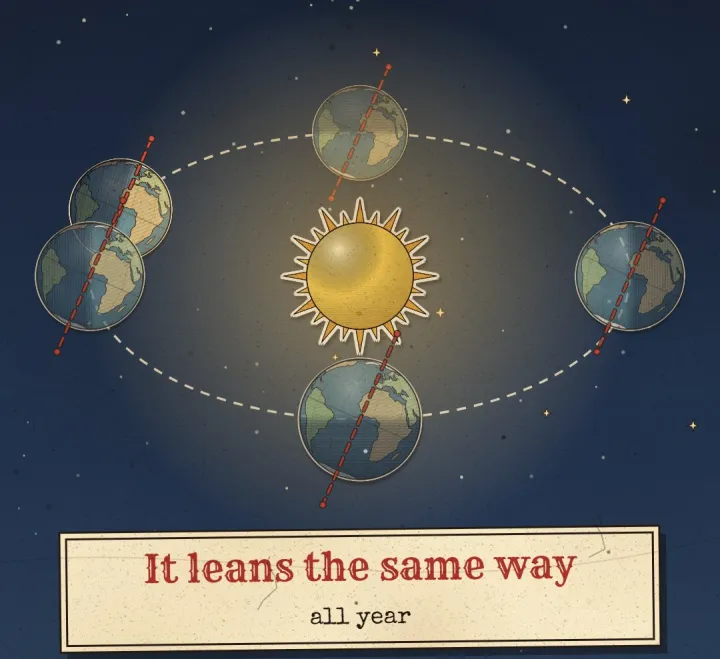
Why is summer warmer?
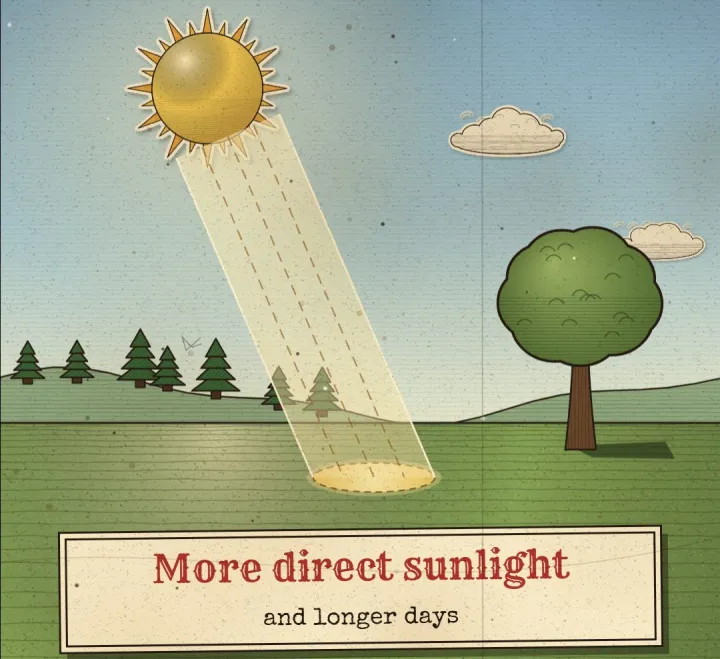
When your half of Earth leans toward the Sun, you get summer. Sunlight hits the ground more directly, and days are longer.
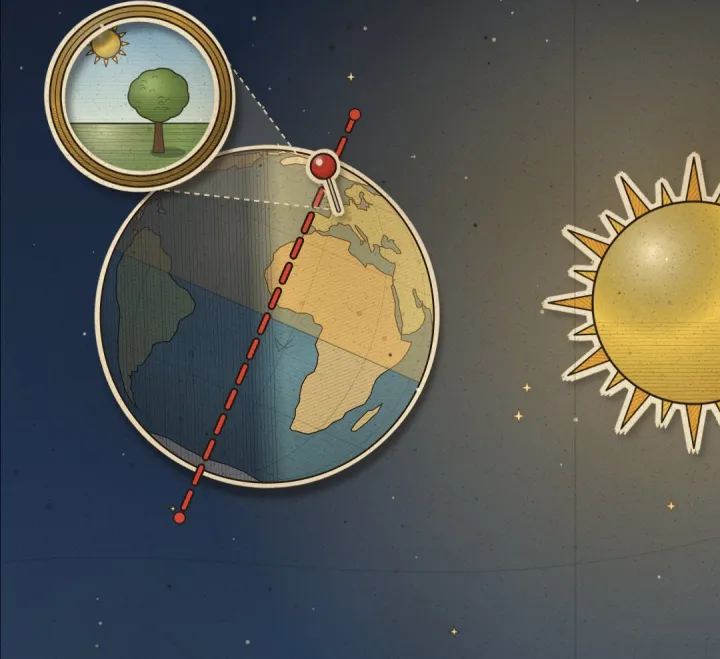
Why is winter colder?
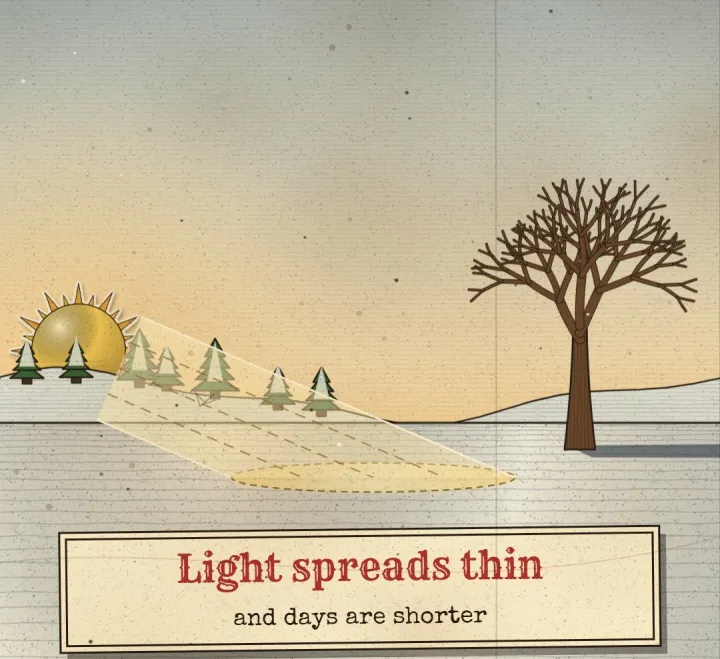
When your half leans away, the Sun stays low in the sky. Its light spreads thin over more ground, and days are shorter. At the same time, the other half of Earth gets summer.
One more thing
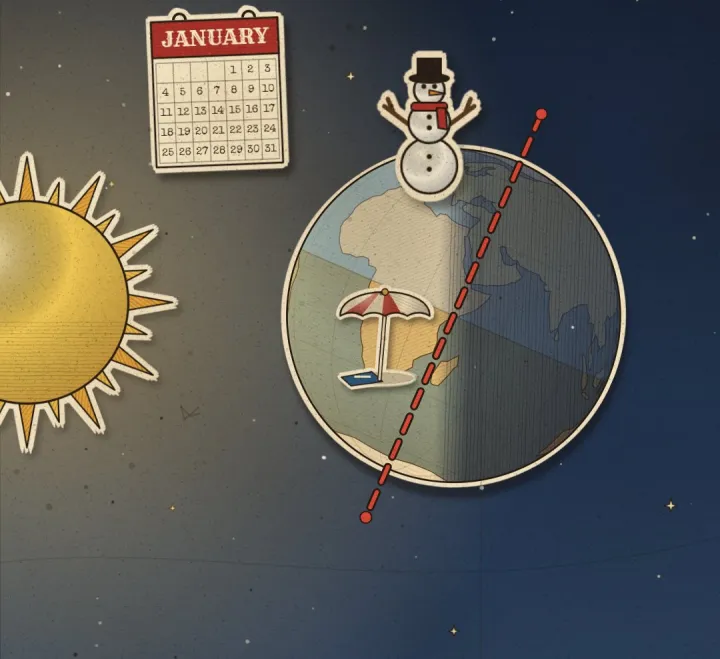
Earth is actually closest to the Sun in early January. Right then, it is winter in the north and summer in the south.
Sources
- NASA Space Place: What Causes the Seasons?
- NOAA National Weather Service: What Causes the Seasons?
- OpenStax Astronomy: 4.2 The Seasons
- Met Office: Why do we have seasons?
- Penn State University, METEO 3: Seasonal Tides of Solar Heating
- National Geographic: What is perihelion? Here's what happens when Earth is nearest to the sun
- NASA Astronomy Picture of the Day: Welcome to Perihelion (January 4, 2025)